
Great Migration
Witness nature’s greatest spectacle across the Serengeti.


The Great Migration is never still. As millions of wildebeest, zebra and gazelle move across the Serengeti ecosystem, every journey is thoughtfully designed around their seasonal movements—giving you the best opportunity to experience one of nature's greatest spectacles.
Ideal for:
Wildlife Enthusiasts, Photographers, First-Time Visitors, and Returning Safari Travelers
What’s Included:
Private safari guide & 4×4 vehicle
Carefully selected camps in migration regions
Planning based on seasonal migration patterns
Full-board accommodation on safari
National park & conservation fees
Airport transfers
Full support throughout your journey
Laundry service at selected camps & lodges
Wi-Fi where available
Soft drinks & bottled water during safari

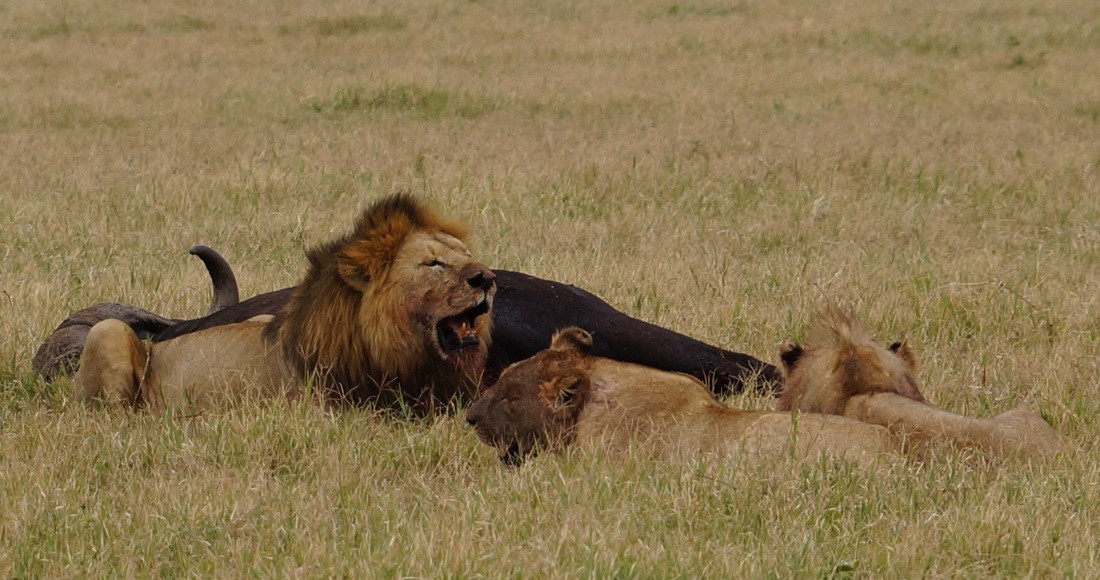


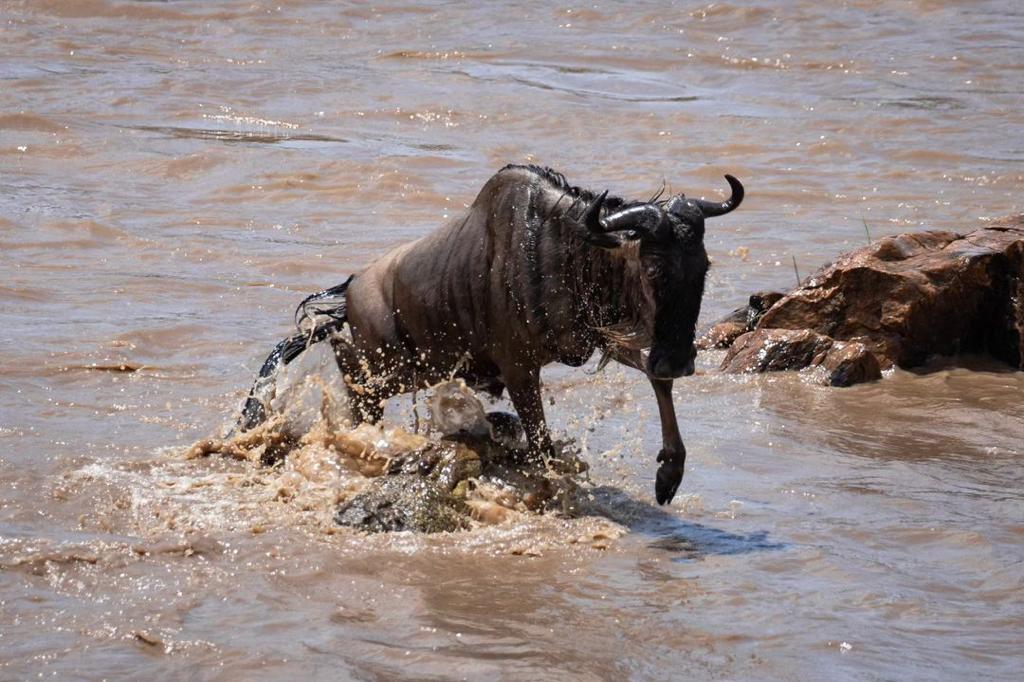
You'll Never Feel Like Just Another Traveler.
Designed around you - not the other way around.
The great migration never follows a schedule. That's why neither do we.
Why This Journey
Rather than following a fixed itinerary, every Great Migration safari is thoughtfully designed around seasonal wildlife movements, giving you the best opportunity to experience this extraordinary event.
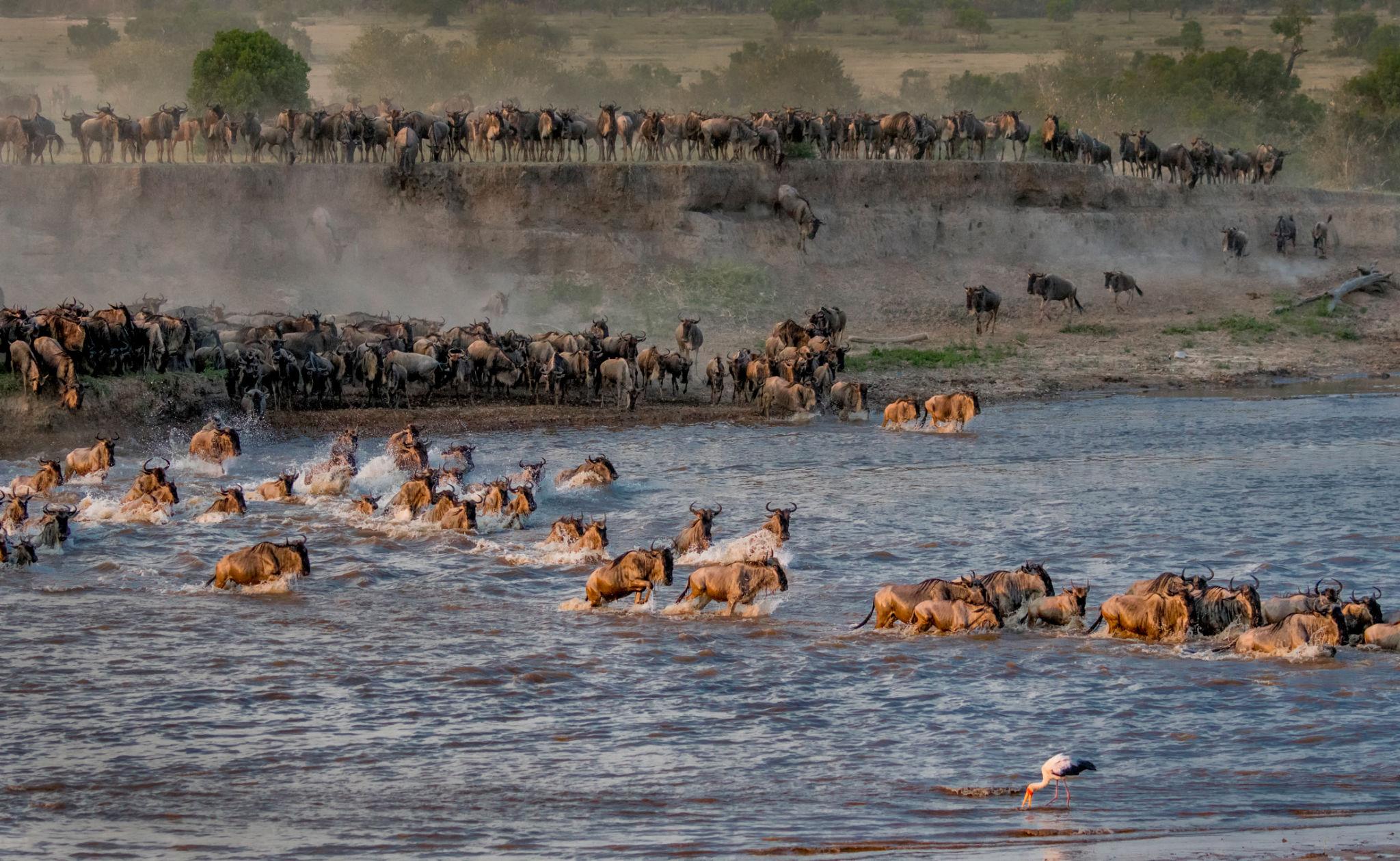
The Great Migration Throughout the Year
Jan - Feb
New Life: The southern Serengeti becomes a vast nursery as thousands of wildebeest calves are born, attracting predators and extraordinary wildlife activity.
Mar - Apr
Following the Herds: The young herds strengthen as the migration follows fresh grazing across the southern Serengeti and surrounding plains.
May - June
The Journey North: The herds begin their great movement northward, travelling through the central Serengeti toward the Western Corridor.
Jul - Aug
The Great Crossing: As the migration reaches northern Tanzania, the Mara River can become the stage for one of nature's most dramatic spectacles.
Sep - Oct
Into the North: Large herds remain across the northern Serengeti, with continued opportunities for dramatic river crossings and exceptional game viewing.
Nov - Dec
The Return South: The short rains draw the herds southward once more, returning toward the southern Serengeti and the beginning of another cycle.
